Buy webdesigns.eu ?
We are moving the project
webdesigns.eu .
Are you interested in purchasing the domain
webdesigns.eu ?
domain@kv-gmbh.de · 0541-91531010
Buy webdesigns.eu ?
What are the differences between covalent bonds, metallic bonds, and ionic bonds?
Covalent bonds are formed when two atoms share electrons, resulting in a strong bond between the atoms. Metallic bonds occur between metal atoms, where the electrons are delocalized and free to move throughout the structure, creating a strong bond. Ionic bonds are formed between a metal and a nonmetal, where one atom transfers electrons to the other, resulting in the formation of positively and negatively charged ions that are attracted to each other. Overall, covalent bonds involve electron sharing, metallic bonds involve electron delocalization, and ionic bonds involve electron transfer. **
Do CO bonds form with other CO bonds?
No, CO bonds do not typically form with other CO bonds. Carbon monoxide (CO) is a stable molecule with a triple bond between the carbon and oxygen atoms. This triple bond is strong and does not readily form additional bonds with other CO molecules. Instead, CO molecules tend to interact with other types of molecules through various types of chemical reactions. **


Similar search terms for Bonds
Top-Angebote
Products related to Bonds:
-
CAPCOM EUROSOFT LTD Monster Hunter Stories 3 Twist - Nintendo Switch 2 Game Cartridge - Unbreakable BondsEmbark on a new Riders' journey in Monster Hunter Stories 3 Twist for Nintendo Switch. Forge unbreakable bonds with Monsties, hatch mysterious eggs, and uncover a sweeping story filled with discovery and danger. This standalone adventure blends accessible, turn-based combat with deep team-building and exploration, making it suitable for both returning Riders and newcomers to the Monster Hunter universe. Recruit and raise a party of fan-favorite monsters, combine their abilities through layered skill trees, and unleash powerful Kinship Skills in strategic battles. Explore vibrant biomes, gather crafting materials, and customize weapons and armor to match your playstyle. With richly animated cutscenes, character-driven quests, and an expansive bestiary to collect, Monster Hunter Stories 3 Twist delivers a compelling RPG experience at home or on the go.65,72 £*Shipping: 0,00 £Secure redirect to the provider
-
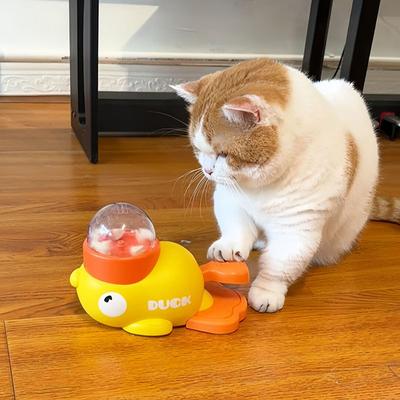
Friendly Fresh Finds Interactive Pet Puzzle Feeder For Cats And Dogs Engaging Freeze Dried Treat Dispenser For Pet Enrichment Interactive Pet Puzzle Feeder For Cats And Dogs Engaging Freeze Dried Treat Dispenser For Pet EnrichmentKeep your furry friends entertained and mentally stimulated with this interactive pet puzzle feeder. Perfect for both cats and dogs, this puzzle feeder turns mealtime into a fun, engaging experience. Designed for home use, it encourages your pets to...39,97 $*Shipping: 0,00 $Secure redirect to the provider
-
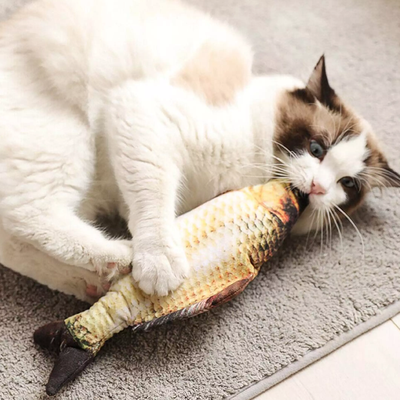
PetsAreLife Interactive Floppy Fish Cat Toy Engaging Fishcat For Active Play OrangeDo you find yourself holding a cat holding a fish on camera to capture every adorable moment If so, our Interactive Floppy Fish Cat Toy is perfect for you and your feline friend!Introducing the floppy fish cat toy, designed to keep your cat...24,97 $*Shipping: 0,00 $Secure redirect to the provider
-
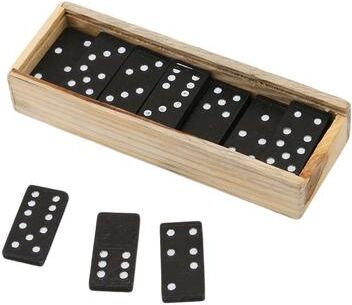
Smart Shopping Spot Wooden Domino Board Game For Kids Travel Friendly Educational Toy, Fun & Engaging Gift For Children Wooden Domino Board Game For Kids Travel Friendly Educational Toy, Fun & Engaging Gift For ChildrenEngage your child's mind and creativity with this 28pcs Wooden Domino Board Game. Perfect for kids, this travelsized game set fosters cognitive growth while offering hours of fun. Made from highquality, nontoxic wood, its not only durable but safe...29,97 $*Shipping: 0,00 $Secure redirect to the provider

-
Why are intermolecular bonds weaker than electron pair bonds?
Intermolecular bonds are weaker than electron pair bonds because they involve interactions between molecules rather than within a single molecule. In intermolecular bonds, the attractive forces between molecules are generally weaker than the covalent bonds that hold atoms together within a molecule. Additionally, intermolecular bonds are typically temporary and can be easily broken, whereas electron pair bonds are strong and stable. Overall, the weaker nature of intermolecular bonds allows molecules to move and interact with each other more freely. **
-
Why are intermolecular bonds typically weaker than covalent bonds?
Intermolecular bonds are typically weaker than covalent bonds because they involve interactions between molecules rather than within a single molecule. In intermolecular bonds, the attractive forces between molecules, such as van der Waals forces or hydrogen bonding, are weaker than the strong sharing of electrons in covalent bonds. Additionally, intermolecular bonds are more easily broken or disrupted by changes in temperature or pressure, leading to lower bond energies compared to covalent bonds. **
-
Why are intermolecular bonds generally weaker than covalent bonds?
Intermolecular bonds are generally weaker than covalent bonds because they involve interactions between molecules rather than within a single molecule. Covalent bonds involve the sharing of electrons between atoms, creating strong bonds within a molecule. In contrast, intermolecular bonds, such as hydrogen bonds or van der Waals forces, are weaker because they are based on temporary interactions between molecules, which can be easily broken. Additionally, intermolecular bonds are influenced by factors such as distance and orientation, further contributing to their weaker nature compared to covalent bonds. **
-
Why are primary bonds stronger than secondary bonds in chemistry?
Primary bonds, such as covalent and ionic bonds, are stronger than secondary bonds, such as hydrogen bonds and van der Waals forces, because they involve the sharing or transfer of electrons between atoms. This results in a more stable and tightly held bond. In contrast, secondary bonds are based on weaker electrostatic interactions between molecules or atoms, such as dipole-dipole interactions or temporary induced dipoles, which are not as strong as the sharing or transfer of electrons in primary bonds. Therefore, primary bonds have a higher bond energy and require more energy to break compared to secondary bonds. **

What is the difference between ionic bonds and covalent bonds?
Ionic bonds form between two atoms when one atom transfers one or more electrons to another atom. This results in the formation of positively charged ions (cations) and negatively charged ions (anions) that are attracted to each other. Covalent bonds, on the other hand, form when two atoms share one or more pairs of electrons. This sharing of electrons creates a strong bond between the atoms. In summary, ionic bonds involve the transfer of electrons, while covalent bonds involve the sharing of electrons. **
Why are Van der Waals bonds weaker than hydrogen bonds?
Van der Waals bonds are weaker than hydrogen bonds because they are formed due to temporary fluctuations in electron distribution around atoms or molecules, resulting in weak attractive forces. In contrast, hydrogen bonds are formed between a hydrogen atom and a highly electronegative atom such as oxygen, nitrogen, or fluorine, resulting in a stronger electrostatic attraction. Additionally, hydrogen bonds are directional and can form multiple bonds between molecules, while Van der Waals bonds are non-directional and typically only occur between non-polar or weakly polar molecules. **
Top-Angebote
Products related to Bonds:
-
milk_shake Everlasting Bonds Leave In Treatment 100mLA hair-care product. It a lightweight leave-in treatment designed to enhance your hair's softness, shine, and manageability without adding weight. This innovative formula provides heat protection up to 230°C, making it ideal for styling while addressing hair damage and promoting a healthier appearance.25,72 £*Shipping: 5,22 £Secure redirect to the provider
-
Matrix Instacure Build-A-Bond Mighty Bonds Shampoo 300ml DoubleStock up and save on professional results at home with this double Matrix Instacure Build-A-Bond Mighty Bonds Shampoo! (Includes 2 x 300ml Shampoo) Healthy hair starts from within, and this Matrix Instacure Build-A-Bond Mighty Bonds Shampoo gets straight to work This luxuriously textured shampoo forms a rich lather and gets to work immediately on mega damaged hair. Key ingredients include Citric acid, which penetrates deep into the hair fiber to strengthen and repair your hair from within. It's also infused with Squalane, which works on the hair's surface to soften and smooth every strand! Ingredients: AQUA / WATER / EAU, DECYL GLUCOSIDE, SODIUM COCOYL ISETHIONATE, COCAMIDOPROPYL BETAINE, CITRIC ACID, SODIUM HYDROXIDE, PANTHENOL, PARFUM / FRAGRANCE, GLYCERIN, DIMETHICONE, PEG-150 DISTEARATE, PPG-5-CETETH-20, SODIUM BENZOATE, SODIUM CHLORIDE, PEG-55 PROPYLENE GLYCOL OLEATE, PROPYLENE GLYCOL, CARBOMER, LIMONENE, COCO-CAPRYLATE/CAPRATE, POLYQUATERNIUM-67, SALICYLIC ACID, AMODIMETHICONE, SODIUM PHYTATE, GLYCOL DISTEARATE, SQUALANE, COCO-BETAINE, LINALOOL, ACRYLATES/BEHENETH-25 METHACRYLATE COPOLYMER, CITRONELLOL, TRIDECETH-6, BENZYL ALCOHOL, ALCOHOL, CETRIMONIUM CHLORIDE, CI 17200 / RED 3324,16 £*Shipping: 0,00 £Secure redirect to the provider
-
CAPCOM EUROSOFT LTD Monster Hunter Stories 3 Twist - Nintendo Switch 2 Game Cartridge - Unbreakable BondsEmbark on a new Riders' journey in Monster Hunter Stories 3 Twist for Nintendo Switch. Forge unbreakable bonds with Monsties, hatch mysterious eggs, and uncover a sweeping story filled with discovery and danger. This standalone adventure blends accessible, turn-based combat with deep team-building and exploration, making it suitable for both returning Riders and newcomers to the Monster Hunter universe. Recruit and raise a party of fan-favorite monsters, combine their abilities through layered skill trees, and unleash powerful Kinship Skills in strategic battles. Explore vibrant biomes, gather crafting materials, and customize weapons and armor to match your playstyle. With richly animated cutscenes, character-driven quests, and an expansive bestiary to collect, Monster Hunter Stories 3 Twist delivers a compelling RPG experience at home or on the go.65,72 £*Shipping: 0,00 £Secure redirect to the provider
-
Friendly Fresh Finds Interactive Pet Puzzle Feeder For Cats And Dogs Engaging Freeze Dried Treat Dispenser For Pet Enrichment Interactive Pet Puzzle Feeder For Cats And Dogs Engaging Freeze Dried Treat Dispenser For Pet EnrichmentKeep your furry friends entertained and mentally stimulated with this interactive pet puzzle feeder. Perfect for both cats and dogs, this puzzle feeder turns mealtime into a fun, engaging experience. Designed for home use, it encourages your pets to...39,97 $*Shipping: 0,00 $Secure redirect to the provider
-
What are the differences between covalent bonds, metallic bonds, and ionic bonds?
Covalent bonds are formed when two atoms share electrons, resulting in a strong bond between the atoms. Metallic bonds occur between metal atoms, where the electrons are delocalized and free to move throughout the structure, creating a strong bond. Ionic bonds are formed between a metal and a nonmetal, where one atom transfers electrons to the other, resulting in the formation of positively and negatively charged ions that are attracted to each other. Overall, covalent bonds involve electron sharing, metallic bonds involve electron delocalization, and ionic bonds involve electron transfer. **
-
Do CO bonds form with other CO bonds?
No, CO bonds do not typically form with other CO bonds. Carbon monoxide (CO) is a stable molecule with a triple bond between the carbon and oxygen atoms. This triple bond is strong and does not readily form additional bonds with other CO molecules. Instead, CO molecules tend to interact with other types of molecules through various types of chemical reactions. **
-
Why are intermolecular bonds weaker than electron pair bonds?
Intermolecular bonds are weaker than electron pair bonds because they involve interactions between molecules rather than within a single molecule. In intermolecular bonds, the attractive forces between molecules are generally weaker than the covalent bonds that hold atoms together within a molecule. Additionally, intermolecular bonds are typically temporary and can be easily broken, whereas electron pair bonds are strong and stable. Overall, the weaker nature of intermolecular bonds allows molecules to move and interact with each other more freely. **
-
Why are intermolecular bonds typically weaker than covalent bonds?
Intermolecular bonds are typically weaker than covalent bonds because they involve interactions between molecules rather than within a single molecule. In intermolecular bonds, the attractive forces between molecules, such as van der Waals forces or hydrogen bonding, are weaker than the strong sharing of electrons in covalent bonds. Additionally, intermolecular bonds are more easily broken or disrupted by changes in temperature or pressure, leading to lower bond energies compared to covalent bonds. **
Similar search terms for Bonds
-
PetsAreLife Interactive Floppy Fish Cat Toy Engaging Fishcat For Active Play OrangeDo you find yourself holding a cat holding a fish on camera to capture every adorable moment If so, our Interactive Floppy Fish Cat Toy is perfect for you and your feline friend!Introducing the floppy fish cat toy, designed to keep your cat...24,97 $*Shipping: 0,00 $Secure redirect to the provider
-
Smart Shopping Spot Wooden Domino Board Game For Kids Travel Friendly Educational Toy, Fun & Engaging Gift For Children Wooden Domino Board Game For Kids Travel Friendly Educational Toy, Fun & Engaging Gift For ChildrenEngage your child's mind and creativity with this 28pcs Wooden Domino Board Game. Perfect for kids, this travelsized game set fosters cognitive growth while offering hours of fun. Made from highquality, nontoxic wood, its not only durable but safe...29,97 $*Shipping: 0,00 $Secure redirect to the provider
-
Daily Discovery Women Quartz Watch With Sleek Minimalist Design Women Quartz Watch With Sleek Minimalist DesignThis women's quartz watch combines a clean, understated look with a refined style suited to different outfits and occasions. Its streamlined design offers subtle sophistication without overwhelming the wrist. The minimalist women's watch works well...319,97 $*Shipping: 0,00 $Secure redirect to the provider
-
Why are intermolecular bonds generally weaker than covalent bonds?
Intermolecular bonds are generally weaker than covalent bonds because they involve interactions between molecules rather than within a single molecule. Covalent bonds involve the sharing of electrons between atoms, creating strong bonds within a molecule. In contrast, intermolecular bonds, such as hydrogen bonds or van der Waals forces, are weaker because they are based on temporary interactions between molecules, which can be easily broken. Additionally, intermolecular bonds are influenced by factors such as distance and orientation, further contributing to their weaker nature compared to covalent bonds. **
-
Why are primary bonds stronger than secondary bonds in chemistry?
Primary bonds, such as covalent and ionic bonds, are stronger than secondary bonds, such as hydrogen bonds and van der Waals forces, because they involve the sharing or transfer of electrons between atoms. This results in a more stable and tightly held bond. In contrast, secondary bonds are based on weaker electrostatic interactions between molecules or atoms, such as dipole-dipole interactions or temporary induced dipoles, which are not as strong as the sharing or transfer of electrons in primary bonds. Therefore, primary bonds have a higher bond energy and require more energy to break compared to secondary bonds. **
-
What is the difference between ionic bonds and covalent bonds?
Ionic bonds form between two atoms when one atom transfers one or more electrons to another atom. This results in the formation of positively charged ions (cations) and negatively charged ions (anions) that are attracted to each other. Covalent bonds, on the other hand, form when two atoms share one or more pairs of electrons. This sharing of electrons creates a strong bond between the atoms. In summary, ionic bonds involve the transfer of electrons, while covalent bonds involve the sharing of electrons. **
-
Why are Van der Waals bonds weaker than hydrogen bonds?
Van der Waals bonds are weaker than hydrogen bonds because they are formed due to temporary fluctuations in electron distribution around atoms or molecules, resulting in weak attractive forces. In contrast, hydrogen bonds are formed between a hydrogen atom and a highly electronegative atom such as oxygen, nitrogen, or fluorine, resulting in a stronger electrostatic attraction. Additionally, hydrogen bonds are directional and can form multiple bonds between molecules, while Van der Waals bonds are non-directional and typically only occur between non-polar or weakly polar molecules. **
* All prices are inclusive of VAT and, if applicable, plus shipping costs. The offer information is based on the details provided by the respective shop and is updated through automated processes. Real-time updates do not occur, so deviations can occur in individual cases. ** Note: Parts of this content were created by AI.